As we age, our skin loses its elasticity and may be prone to thinning and dryness. This results in lot of older people suffering skin tears and pressure areas. It may also cause discomfort and itchyness.
Traditionally it is socially acceptable to shower or bath every twenty four hours, however this may be to much washing for older skin. To keep odours to a minimum it is now reccomended that older people needing care who may be bed bound are wiped clean with special disposable wipes at the time of changing continence aids, which is generally three times a day. This keeps the perianal area fresh and the application of some barrier cream such as calmoseptine will ensure the area is protected from skin rashes and excoriation due to wetness.
Rather than a daily shower, older people can benefit from using a bag bath. which is a specific number of durable skin wipes that can be used to wipe over the skin from head to toe without causing dryness. This method is also kind to carers as there is no need for soap, bowls of water or excessive manual handling. To add to the "day spa" experience the bag bath may be warmed in the microwave for a short time to produce a warm and comfortable daily cleanse.
Bag baths can be a little on the expensive side so a lot of aged care providers cannot afford these luxuries but if the older persons budget or that of their family can stretch to provide this it is well worthwhile. Bag Baths are also a good idea for carers in the home envirionment who may be aging themselves and unable to assist with daily shower routines.
Here is a link to a surgical supplier who provides one bag bath product : There are several brands available. http://www.tss-nt.com/bag_bath.htm
Do you think this a good idea? Would this solve some personal care issues for your clients or loved one?
About Me
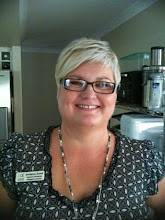
- Jordanna Zareb
- I have been working in the aged care industry for thirty years and have gathered a lot of information on the topic in that time. Some things I have learned through formal training by underatking accredited courses, some has been learned through experience and other things I have simply questioned whilst observing clients. Many questions remain unanswered. I have had the privledge of training others in aged care courses and have gathered immense knowledge from this process too. Over the years I have seen many changes in the aged care industry including care standards, government funding models and ultimately schools of thought on the right and wrong way to do things. I have been left with no choice but to grow and change with the industry.
Showing posts with label health training courses. Show all posts
Showing posts with label health training courses. Show all posts
Sunday, March 13, 2011


Wednesday, March 9, 2011
Community Care Packages
Older people are choosing to remain at home rather than move into retirement living arrangements or residential care facilities. This trend is supported by the federal government who provides funding for community care packages to help with older peoples care needs in their own home.As Australia's population ages it is necessary for the government to find new and creative ways to provide for our older citizens.
So what is it that older people need to remain in their own homes and not make the move to residential care settings? Often mobility is an issue and the person may no longer be able to perform the tasks they once did due to poor balance, general frailty, lack of strength or due to chronic conditions such as arthritis. Other older people may struggle at home due to problems with memory due to Alzheimers disease or some other form of dementia. The ageing process may present people with challenges in maintaining their independence. They may need help with the following tasks.
If a person requires help on a more regular or permanent basis they may be able to access funding for CACP ( Community Aged Care Packages) EACH (Extended Aged care at Home) or EACHD (Extended Aged Care at Home Dementia) Packages from the federal government.
So how are these programs accessed ? They can be accessed in the following ways:
The aged care assessment team is a team of registered nurses and social workers who visit the older person in their home to assess their suitability and eligibility to access government funded care packages such as those listed above. They also assess eligibility for placement in residential care and respite care in the home or in a residential facility.
As you can see from this article, the aged care system can be complex and challenging for older people to negotiate. It is therefore important for Aged care workers to have an understanding of the system and it's processes to help the older person and their loved ones and carers negotiate care.
Ther are also some very good private care agencies in most areas who can provide private services that are paid for by the older person, who may not be eligible for funded care or is already accessing funded care but it is not enough to meet the care needs.The services provided by these agencies is similar to those listed above.
Is your undersatnding of the community aged care system adequate to assist an older person?
So what is it that older people need to remain in their own homes and not make the move to residential care settings? Often mobility is an issue and the person may no longer be able to perform the tasks they once did due to poor balance, general frailty, lack of strength or due to chronic conditions such as arthritis. Other older people may struggle at home due to problems with memory due to Alzheimers disease or some other form of dementia. The ageing process may present people with challenges in maintaining their independence. They may need help with the following tasks.
- Domestic Duites: such as vacuuming and mopping floors
- Garden Maintainence: such as lawn mowing, pruning and weeding
- Personal Care: help with bathing grooming and dressing
- Meal Preparation: cooking and serving meals
- Medication: Assistance with medication reminders or physical assistance to access medications
- Respite: Provides respite to the carer of an older person to give them a break from caring
- Nursing Services: Wound care, dressings, blood pressure monitoring, prevention of pressure areas.
If a person requires help on a more regular or permanent basis they may be able to access funding for CACP ( Community Aged Care Packages) EACH (Extended Aged care at Home) or EACHD (Extended Aged Care at Home Dementia) Packages from the federal government.
So how are these programs accessed ? They can be accessed in the following ways:
- HACC can be self referred or referral from GP or hospital discharge planner
- CACP must have referral and assessment from ACAT ( Aged Care Assessment Team)
- EACH: must have referral and assessment from ACAT ( Aged Care Assessment Team)
- EACHD must have referral and assessment from ACAT ( Aged Care Assessment Team)
The aged care assessment team is a team of registered nurses and social workers who visit the older person in their home to assess their suitability and eligibility to access government funded care packages such as those listed above. They also assess eligibility for placement in residential care and respite care in the home or in a residential facility.
As you can see from this article, the aged care system can be complex and challenging for older people to negotiate. It is therefore important for Aged care workers to have an understanding of the system and it's processes to help the older person and their loved ones and carers negotiate care.
Ther are also some very good private care agencies in most areas who can provide private services that are paid for by the older person, who may not be eligible for funded care or is already accessing funded care but it is not enough to meet the care needs.The services provided by these agencies is similar to those listed above.
Is your undersatnding of the community aged care system adequate to assist an older person?
Tuesday, March 8, 2011
Health Care Courses
Yesterda,y I had the pleasure of spending some time with students at ACE Tweed College. The students are undertaking a training course in Aged Care at the college. They are studying topics such as dementia care, personal care, cultural issues as well as assistance with medication. Two of the students I spoke with were very excited about being involved in work placement where they are completeing the voluntary experience hours required to complete their Certificate III Aged Care Qualification.
One student, Teena has in fact been offered and has commenced paid employment at a local aged care facility despite the fact that she still has some of her course left to complete. Teena was very generous and passionate enough to allow me to record her enthusiasm on my phon,e so I took the opportunity to create an Aged Care Channel on youtube to upload her footage to. Teena is so excited not just to be working but also to be feeling like she is making a difference in the lives of others. She is getting positive feedback about her performance both from her supervisor and from her clients. She is on top of the world and I am sure it is helping her to have a regular reliable income too. This is what an aged care job can offer. Teena says that participating in a Certificate III in Aged care has changed her life. You can see Teena on video on the left of this blog in our Video Link.
Have you ever considered doing an aged care course? If so, what would you like to get out of it? What area of Aged care would you like to work in?
Subscribe to:
Posts (Atom)